Products
Grogtec develops and operates one product, LitMemo.
LitMemo
A writing workspace for novelists and comic creators.
What it does
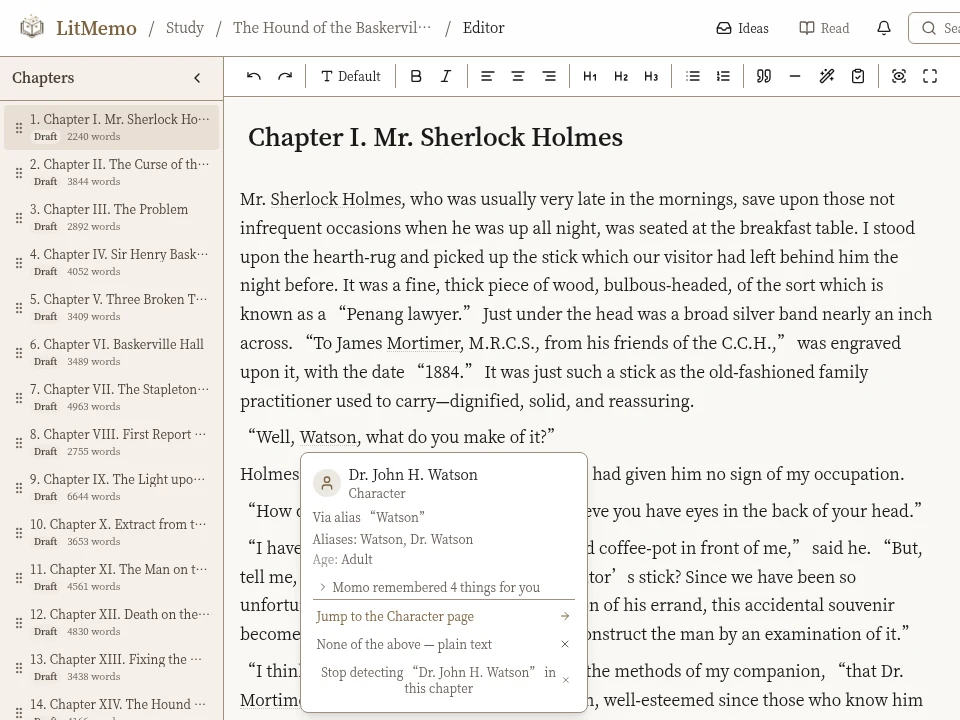
- Manuscript editor with chapters and version history
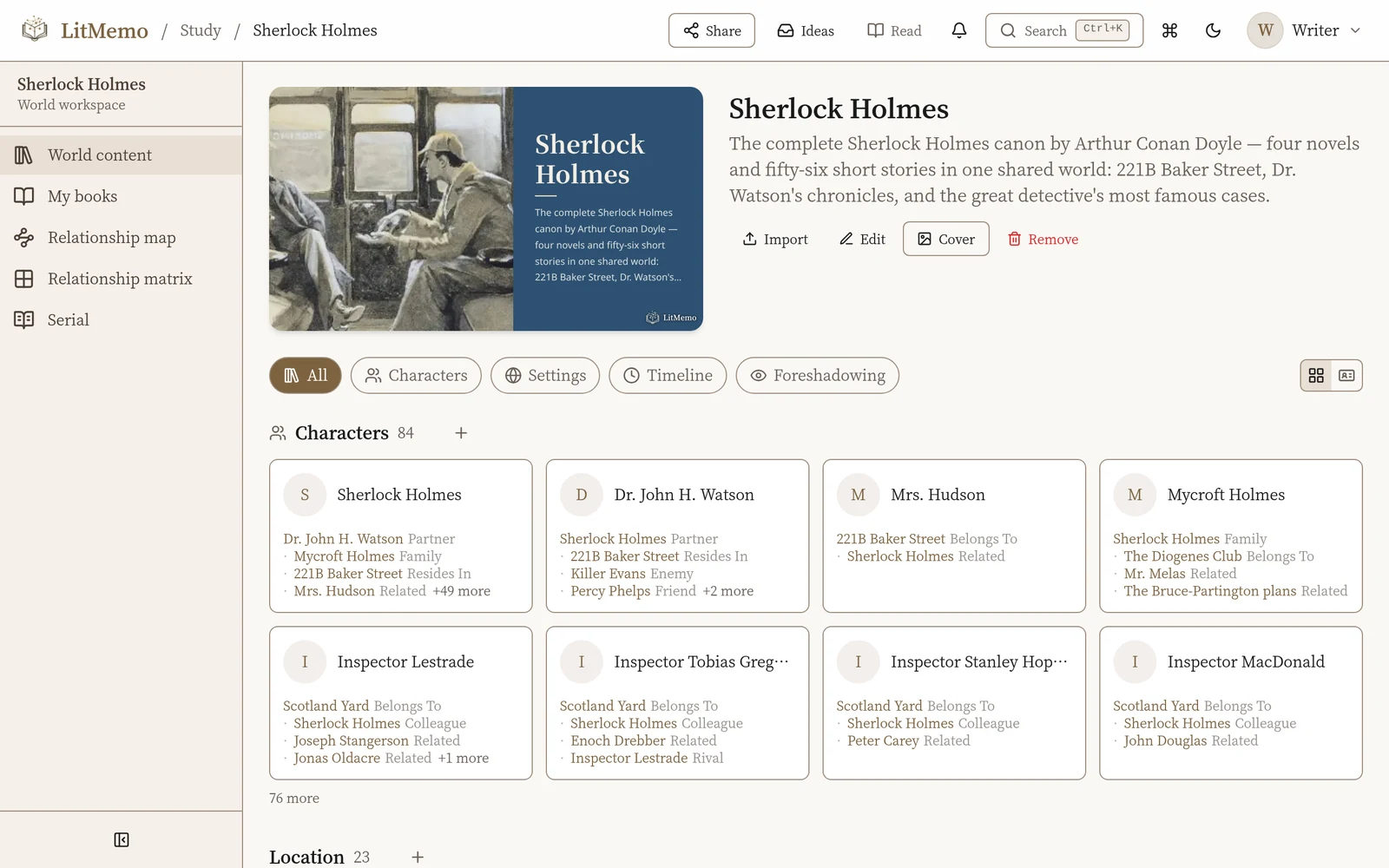
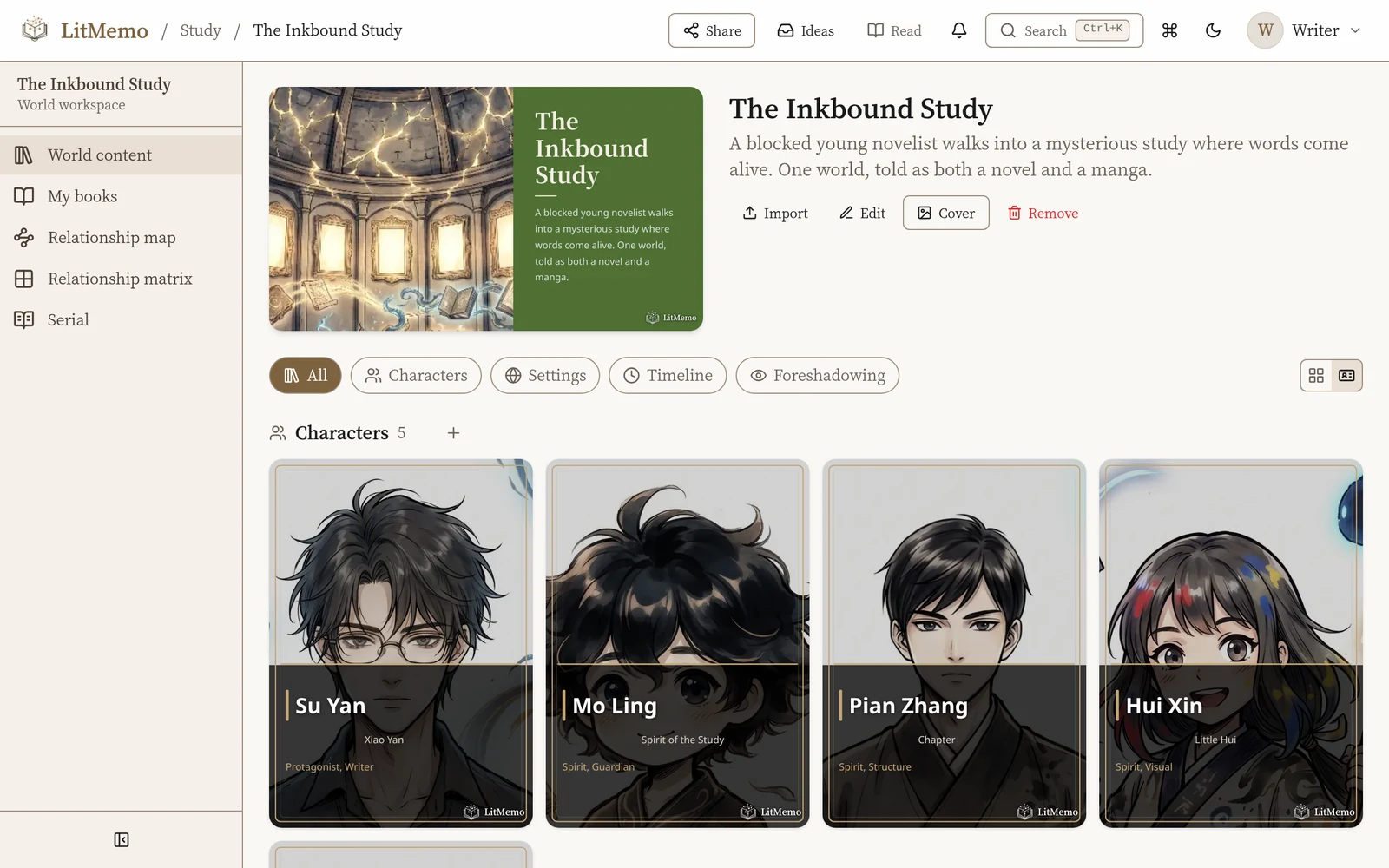
- Character profiles and setting entries, grouped by story world
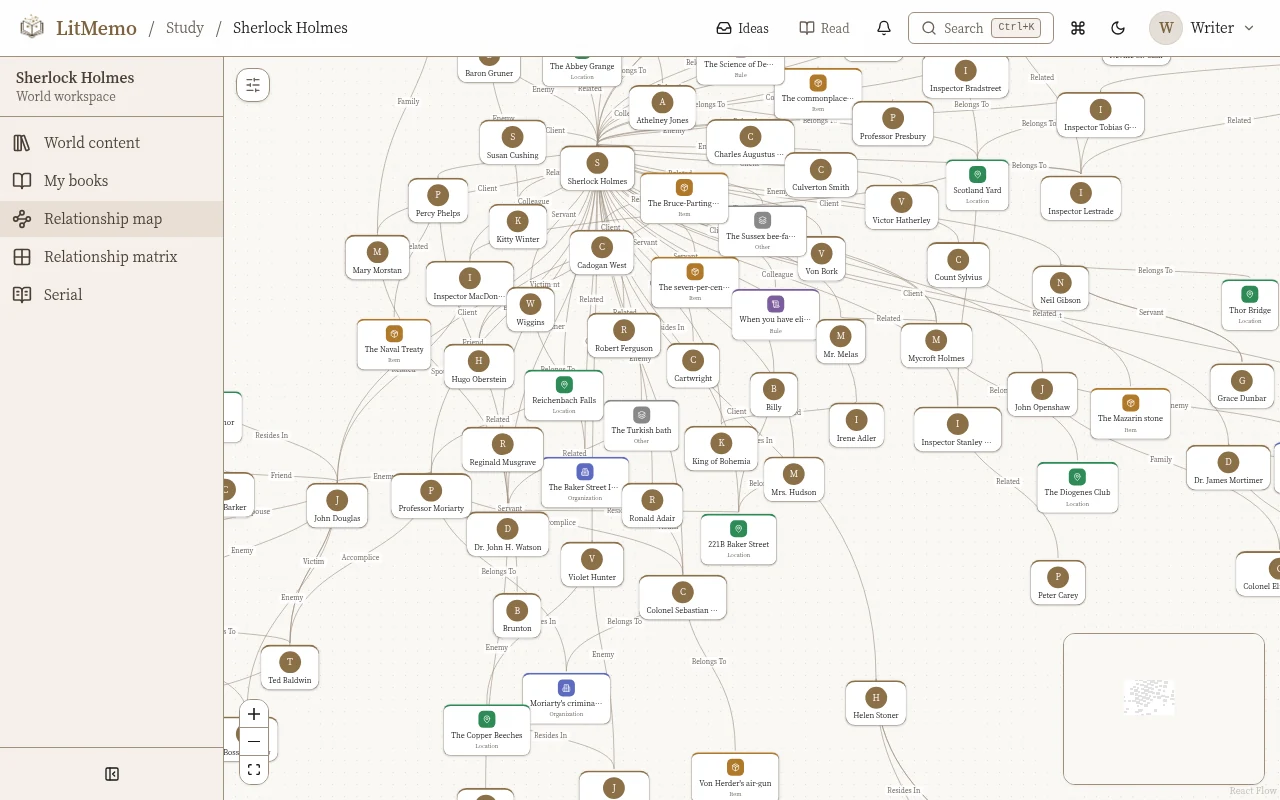
- Relationship maps between characters, places, and items
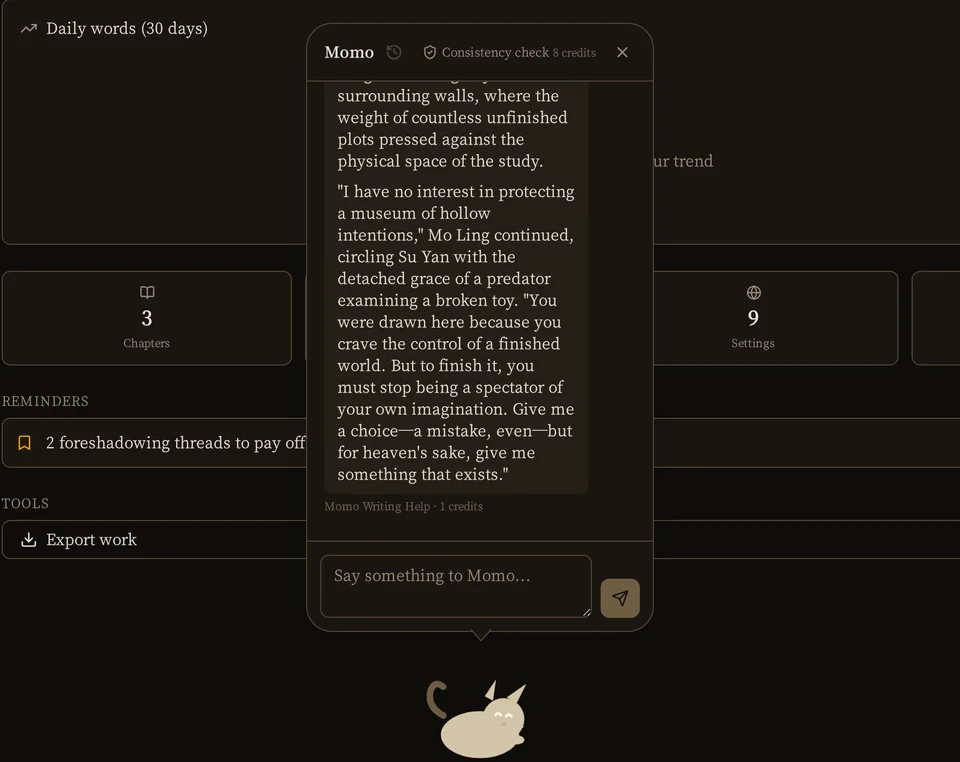
- An AI assistant that answers from the author's own notes and chapters (Gemini)
- AI consistency checks that compare new writing with the story's own facts (Gemini)
- AI character art based on each character's profile (Gemini image models)
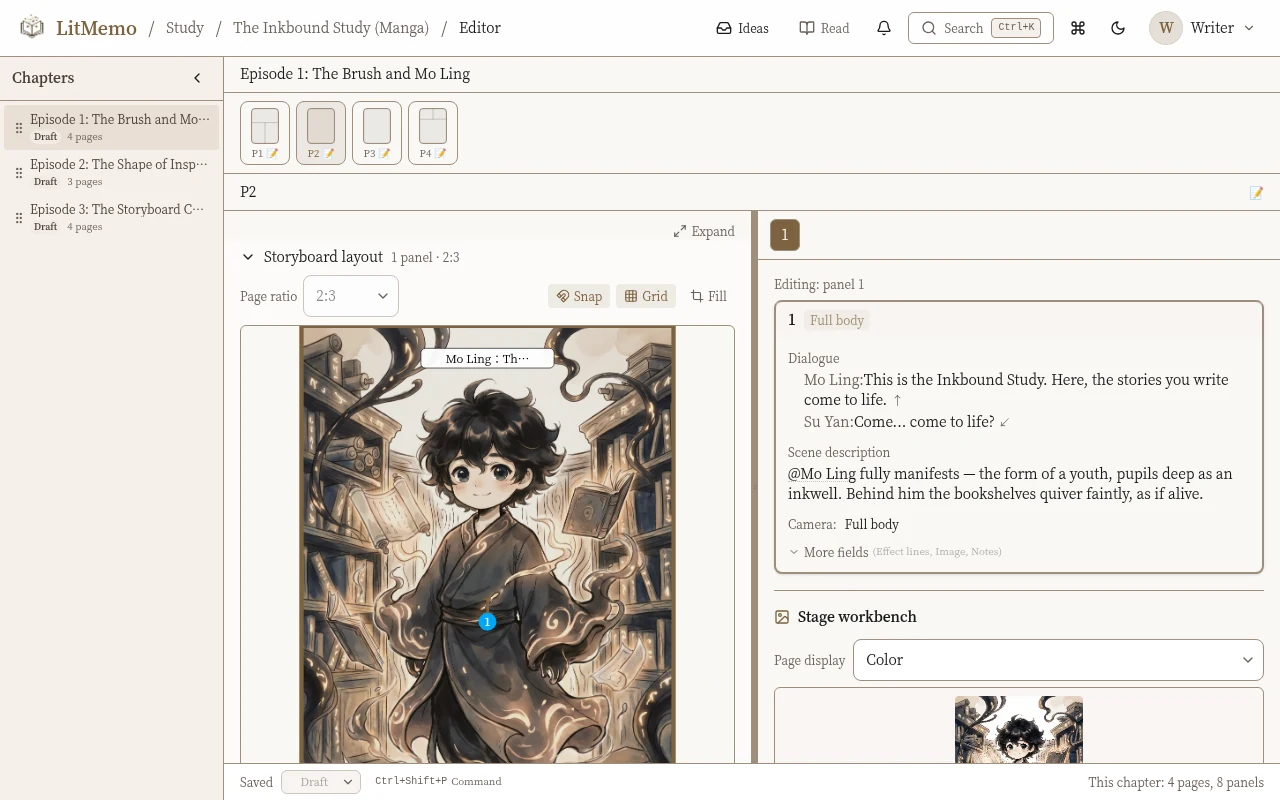
- Comic storyboards with AI-drawn panels of the same characters (Gemini image models)
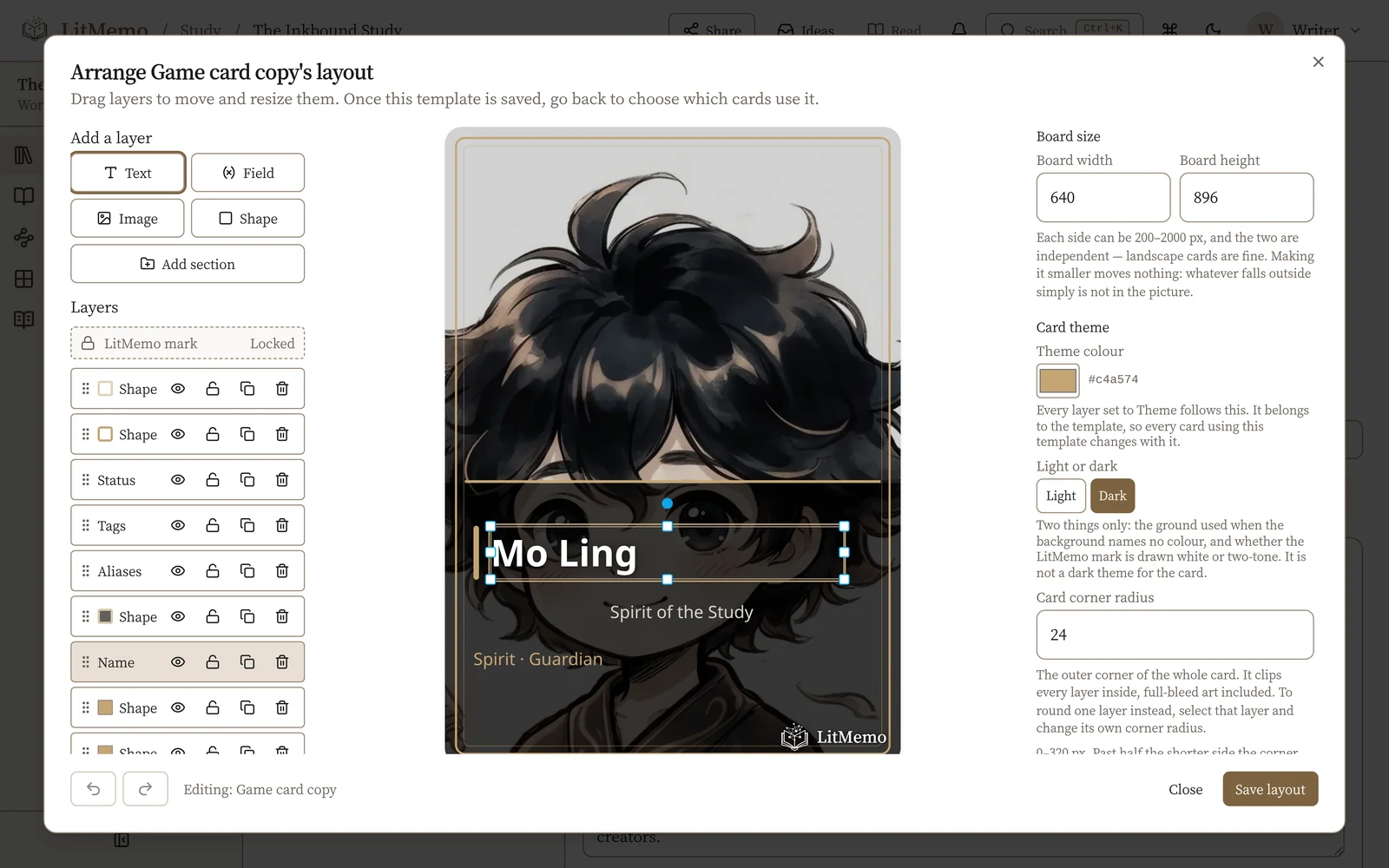
- Export of character profiles as image cards
The problem
A novel or web serial is often written over months or years. Its characters, places, rules, and earlier plot points are spread across notes, documents, and the author's memory, which leads to mistakes: a character's eye colour changes between chapters, a rule of the story's world is broken, or a clue set up early in the story is never resolved. General-purpose AI writing tools do not know any of this information, so their suggestions often contradict the story.
LitMemo stores all of this information in one structured place, called a world, and builds its AI features on top of it. The AI assistant answers questions, helps with drafting, and checks new chapters for contradictions, using the author's own characters and settings as its source.
Who it is for
Writers of long fiction with a detailed fictional world behind the story: novelists, web-serial writers, light-novel writers (a popular Japanese genre of illustrated serial novels), fan-fiction writers, and comic creators.
Most current users are in Taiwan, Hong Kong, Malaysia, and Japan. LitMemo is also available in English, and its Arabic version launched in October 2026.
Industry context
Web novels, light novels, fan fiction, and webcomics have large creator communities across Asia and worldwide. These writers usually publish chapter by chapter on reading platforms and continue the same story world for years, and many later adapt their novels into comics. Reading platforms serve the publishing stage. LitMemo serves the writing stage before publication: planning the world and writing consistently within it, for both novels and comics.
Development stage
Live product (general availability). LitMemo launched publicly in March 2026, has more than 3,500 registered creators, and earns revenue from paid subscriptions alongside a free plan.
Built on Google Cloud
AI: every AI feature in LitMemo uses Google Gemini models through Vertex AI. Gemini text models power the writing assistant, the consistency checks, and the extraction of characters and settings from manuscripts. Gemini image models draw character art and comic panels. Gemini embedding models find the relevant parts of an author's own material for each answer.
Infrastructure: the product and its data run on Google Cloud in the Taiwan region, on Google Kubernetes Engine, Cloud SQL, and Cloud Storage. Releases are built with Cloud Build and Artifact Registry, credentials are kept in Secret Manager, traffic is protected by Cloud Armor, and the service is observed with Cloud Monitoring and Cloud Logging.
Plans
LitMemo has a free plan and paid subscription plans, billed monthly or yearly. Current prices are listed on the LitMemo pricing page.
Availability
LitMemo is a web application. The interface is available in five languages: Traditional Chinese, English, Japanese, Simplified Chinese, and Arabic.
Screenshots